

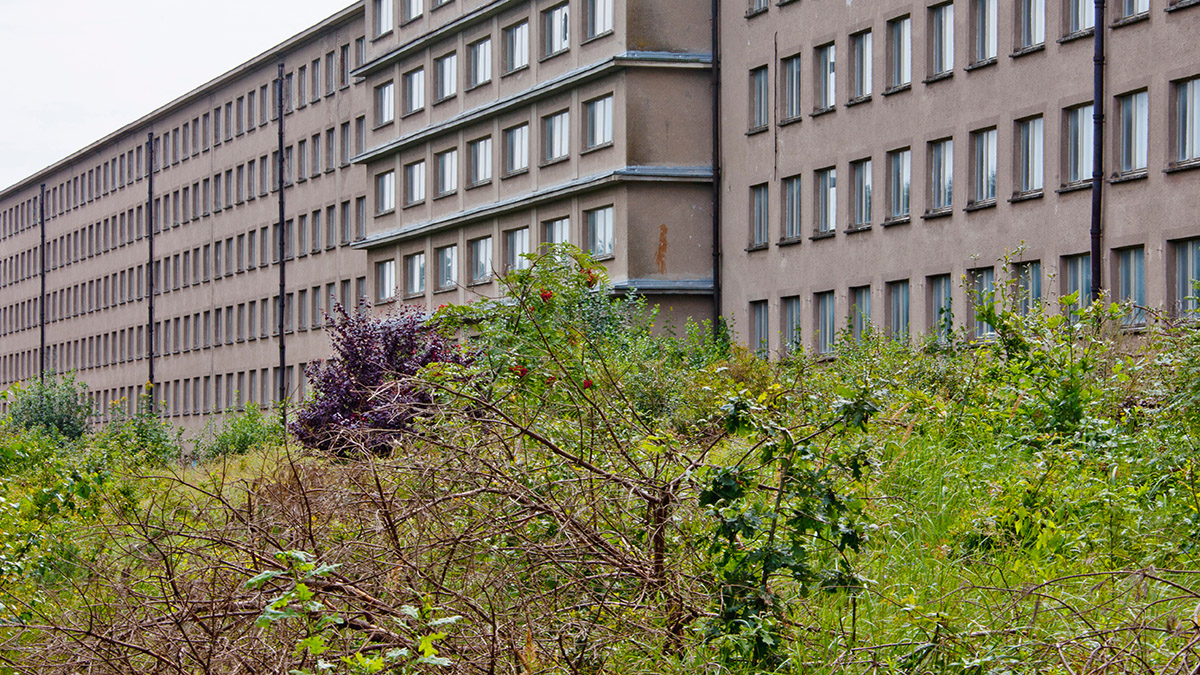
Alien invasive vegetation is not just an environmental issue in South Africa — it is a material risk for businesses, property owners, and land managers. Across industrial sites, commercial properties, agricultural land, and peri-urban developments, unmanaged invasive plants contribute directly to fire risk, flooding, infrastructure damage, legal non-compliance, and increased insurance exposure.
Understanding and managing alien vegetation is therefore an essential component of modern risk management.
What Is Alien Invasive Vegetation?
Alien invasive plants are species introduced to South Africa from outside their natural range, either intentionally or unintentionally. Once established, many of these plants spread aggressively, displacing indigenous vegetation and altering natural ecosystems.
From a risk perspective, the concern is not biodiversity alone. Invasive vegetation often:
- Burns hotter and faster than indigenous plants
- Increases fuel loads near buildings and infrastructure
- Blocks drainage systems and watercourses
- Weakens soil stability, contributing to erosion and flood damage
- Drives up land management and compliance costs over time
Why Alien Vegetation Matters to Businesses
For businesses and property owners, unmanaged invasive plants translate into operational and financial risk.
Key exposures include:
- Fire risk: Dense invasive growth significantly increases the likelihood and severity of veld and structural fires.
- Infrastructure damage: Root systems and uncontrolled growth can damage fencing, roads, drainage, pipelines, and foundations.
- Flooding: Invasive species along rivers and stormwater channels obstruct flow, increasing flood severity.
- Insurance implications: Poor vegetation management can affect underwriting decisions, exclusions, or claims outcomes.
- Legal liability: Failure to manage listed invasive species can result in enforcement action or penalties.
Alien vegetation is therefore not a “grounds maintenance” issue — it is a governance and risk control issue.
Legal Obligations in South Africa
Alien invasive plants are regulated under the National Environmental Management: Biodiversity Act (NEMBA) and associated Alien and Invasive Species Regulations.
Plants are categorised (Category 1a, 1b, 2, and 3), with different legal requirements. In broad terms:
- Category 1a: Must be eradicated immediately.
- Category 1b: Must be controlled and prevented from spreading.
- Category 2: May be permitted under strict conditions.
- Category 3: May be allowed in specific contexts but not propagated or spread.
Landowners and persons in control of land have a legal duty to:
- Identify listed invasive species on their property
- Take reasonable steps to control or eradicate them
- Prevent spread beyond property boundaries
- Allow access to authorised officials where required
Non-compliance can result in directives, fines, or enforced remediation.
Practical Risk Management Steps for Businesses
From a practical risk perspective, managing alien vegetation should be approached systematically:
- Site identification: Conduct regular inspections to identify invasive species, particularly near buildings, fences, watercourses, and firebreaks.
- Risk prioritisation: Focus first on species that increase fire load, block drainage, or threaten critical infrastructure.
- Documented management plans: Maintain records of removal, control measures, and ongoing monitoring.
- Integration with fire and flood planning: Align vegetation management with firebreak maintenance, emergency response planning, and business continuity measures.
- Use credible references: Always confirm plant status against official, up-to-date databases rather than informal lists or assumptions.
Why Early Management Matters
Alien vegetation becomes more expensive and more dangerous the longer it is left unmanaged. Early identification and control reduce:
- Fire intensity and spread
- Remediation costs
- Insurance friction
- Regulatory exposure
For businesses, proactive vegetation management is not just about compliance — it is about protecting assets, people, and operational continuity.
|
For an up-to-date list of declared invasive alien plants and their legal categories, refer to the official databases maintained by Environment South Africa and SANBI. These lists are updated periodically and should always be used when assessing site-specific compliance. |